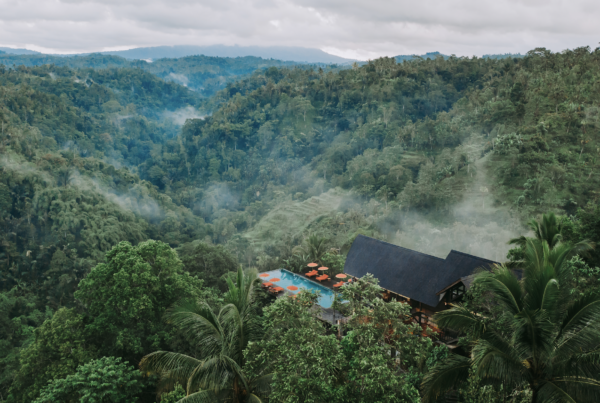

 Photo copyright: Buahan, a Banyan Tree Escape
Spotting genuine sustainability can be a difficult task for travelers who are unfamiliar with the different elements and factors that encompass a so-called eco-friendly property. Sustainability is increasingly becoming an attractive aspect to a hotel with many guests opting to book accommodation that portrays itself as eco-friendly. Just because a property deems itself sustainable, however, does not mean that it truly addresses and manages its sustainability, making it essential that guests can recognize when something doesn’t quite add up.
While the new EU directive aimed at consumer transparency and greenwashing will help those of us living within the union to better determine which properties are sustainable and which aren’t, spotting genuine sustainability can still be a daunting task and one which we can provide guidance on. From local involvement, to resource management, to genuine certification and transparency, we are exploring the five key indicators of a sustainable hotel and four which guests should ignore.
Indicators of Sustainability
1) Local Management Team
One of the most significant indicators of sustainability is whether or not the local community is involved in the property. A management team headed by a person who is actually from the country – or better yet, the immediate region – demonstrates a connection between hotel and destination. It ensures that the way the hotel is run compliments local life rather than detracts from it. A hotel that encompasses the local community and hires out of it creates more authentic experiences and uplifts cultural expertise.
Example: Buahan, a Banyan Tree Escape, hires staff directly from its local village, using their expertise to provide guests with an authentic Balinese experience.
2) Property Construction
Constructing a property sustainably can be a difficult task to accomplish. Construction usually results in the disturbance of the natural environment and guests want to select accommodation that was built with the least possible impact. Whether the property has been renovated or is a new build, sustainability should always be a priority in construction with proper systems in place for energy efficiency, heating, waste, and water.
This is why it is better to choose resorts that have moved into and renovated existing properties. This ensures that no more land is taken up and the ecosystem is left untouched. Renovations also ensure that construction waste is kept to a minimum, and can produce a lower carbon footprint, while preserving resources and building materials.
This doesn’t mean that new builds are entirely unsustainable. Properties can be carefully planned and built to be integrated into the natural landscape, ensuring that little to no disturbance of nature occurs. If new builds use natural, sustainably sourced materials that incorporate the local environment and culture, this can be a step towards mediating its negative impact.
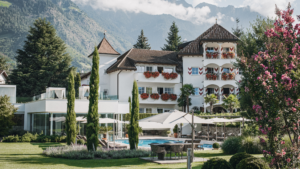 Photo copyright: Hanswirt in South Tyrol
Example: Hotel Hanswirt’s property dates back to 1357. The hotel has renovated the historic inn to meet modern, sustainable standards while preserving the natural environment which surrounds it as well as its unique heritage. On the other hand, Buahan, a Banyan Tree Escape, was built integrated into its jungle landscape using natural materials.
3) Energy and Waste Management
For meaningful impact, a hotel must have proper energy efficiency and waste management systems. This includes sourcing energy from renewables, installing eco-friendly lighting, heating, and sensors, and using greywater recycling. Moreover, waste management is also critical with properties implementing initiatives like the removal of plastic, reusing objects, recycling, composting.
Example: Cempedak Island in Indonesia has their own waste management system called the Black Soldier Fly program to ensure zero-waste operations. This allows the island to divert organic waste away from landfills and into its own BSF larvae composting. It also has a glass pulverization system to recycle and reuse glass.
4) Certification
When looking for the right hotel, checking their sustainable certifications can be a great way to find out if the property is genuinely sustainable. Certification means that the hotel is dedicated to sustainable initiatives and has done the difficult work to achieve recognition. Applications can be incredibly difficult and certification alone is an amazing feat for any hotel to have.
It is critical that guests know which certifications are legitimate, however, and should do their research before offering up their blind trust. Labels like Travelife, GSTC, LEED, and Earthcheck are all reputable and can offer guests peace of mind that their chosen hotel is truly dedicated to sustainability. This also counts for any governmental sustainable certifications.
Example: Buahan, a Banyan Tree Escape is Travelife certified meaning that guests can understand their dedication to sustainability and trust in the fact that the property truly puts its money where its mouth is.
5) Transparency
Transparency is key to building trust between guest and brand. Anyone can claim to be sustainable but genuinely being able to demonstrate that is a difficult task. This requires data, evidence, tracking, and monitoring of all initiatives, activities, and goals.
Brands should integrate themselves into their communities, use local products and services, support initiatives for conservation, and educate on and incorporate heritage, culture, and the environment. Publishing sustainability reports can be a great way of sharing all the initiatives the property is undertaking.
Example: Cempedak Island publishes an impact report that allows the property to highlight. This report highlights all of the island’s initiatives along with concrete data to provide tangible evidence of their activities.
What to Ignore
1) 100% Sustainability Claims
Any property that claims to be fully sustainable is one to ignore. That’s because nothing can ever be completely sustainable. Complete sustainability would mean having no impact at all on the environment and this, of course, is basically impossible. Every action will leave some sort of footprint behind. Hotels that make these claims are either uneducated about sustainability in general, or haven’t done the work to start more eco-friendly activities.
Instead, look for hotels that show what they are doing to be more sustainable, and are honest about their impact – both negative and positive. Properties that can honestly admit to their footprint, are the ones that are genuinely committed to their impact.
2) No Verification
If the hotel claims to have sustainable initiatives but provides no evidence to back up their points nor any third party certification, then this is a hotel to avoid. Measuring, monitoring, and tracking goals, activities, and data are essential to being truly sustainable, otherwise anyone could claim their actions are benefiting their communities.
3) Superficial Messaging
Vague claims and superficial messaging are two aspects of a fake sustainable hotel that constantly trap guests into believing that their chosen property is eco-friendly. Messaging like “reuse your towels” or “not changing sheets every day” may sound nice but can often be used as a way for hotels to sound sustainable while actually decreasing costs for themselves.
If these are the only initiatives a property can claim to be doing for sustainability, then they aren’t a genuine sustainable hotel at all. This also goes for the use of sustainable buzzwords like “sustainable”, “eco-friendly”, or “green” which often sound good but don’t actually mean anything without the evidence to support them.
Other types of messaging can include the fact that a hotel is “local” or supports “culture and heritage” but without the proper investment into the community, hiring local people, or sourcing food, resources, and materials from the surrounding area, these claims are empty.
Guests need to be aware that some properties can engage superficially with the community by hosting fake cultural experiences or tourist shows. Doing research ahead of time can help travelers avoid selecting the wrong experiences, properties, and activities.
4) Lack of Community Investment or Involvement
No hotel can be genuinely sustainable if there is no involvement in its local community. Sustainable properties should give back by investing and involving themselves with the surrounding area and its people.
This means taking part in local events, supporting conservation projects, and working with resident farmers, suppliers, or cultural leaders. If the hotel claims to be sustainable but doesn’t engage in its community, hire residents, or protect its environment, then it cannot be genuinely sustainable.
Tips for Finding the Perfect Sustainable Hotel
When in doubt ask: Hotel staff should be educated on the sustainable initiatives of their properties and if you have any questions, they can point you towards the right source of information.
Take a tour: Genuine sustainable hotels have nothing to hide and can often offer guests a peak into how the property is managed. Ask to take a behind the scenes tour of all the sustainable initiatives that the property implements. If you are interested in sustainability, some hotels even offer educational programs.
Look for local integration: Does the hotel hire from the local area? Does it find ways for locals and travelers alike to engage with the property? Does it source materials from residents? Active local involvement is key to the perfect sustainable hotel. Hotels should collaborate with communities whether through food, design, or activities.
Research certification bodies: If a hotel claims they are sustainably certified, do the research to understand and learn about the different certification bodies so you know what to look for and what you can trust.
Consult our Greenwashing Checklist: Our checklist is the perfect way to test whether or not a property is sustainable. While we created this for hotels to check their progress and take the right steps towards becoming sustainable, guests can use it as a resource to educate themselves on genuine sustainability, using it as a guide to pick the right hotel.
Find the Right Hotel for You
 Photo copyright: Cempedak Island
Finding the right hotel and trusting that the property is genuinely sustainable can be difficult, but if guests know what to look for, it won’t be hard to find the perfect property.
By following our five golden rules for spotting genuine sustainability (local management, sustainable construction or renovation, efficient energy and waste management, certification, and transparency) as well as our tips on spotting sustainability, guests can ensure that the property they find is doing sustainability right.