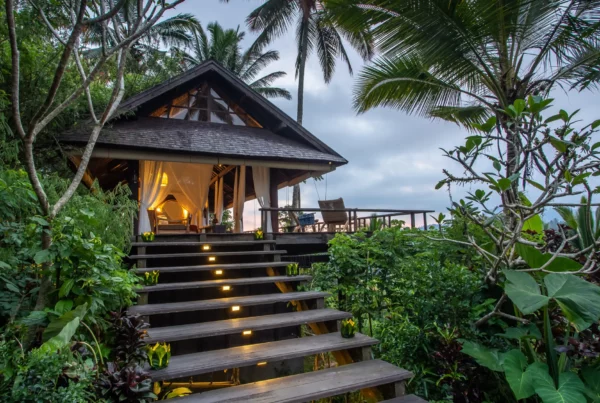

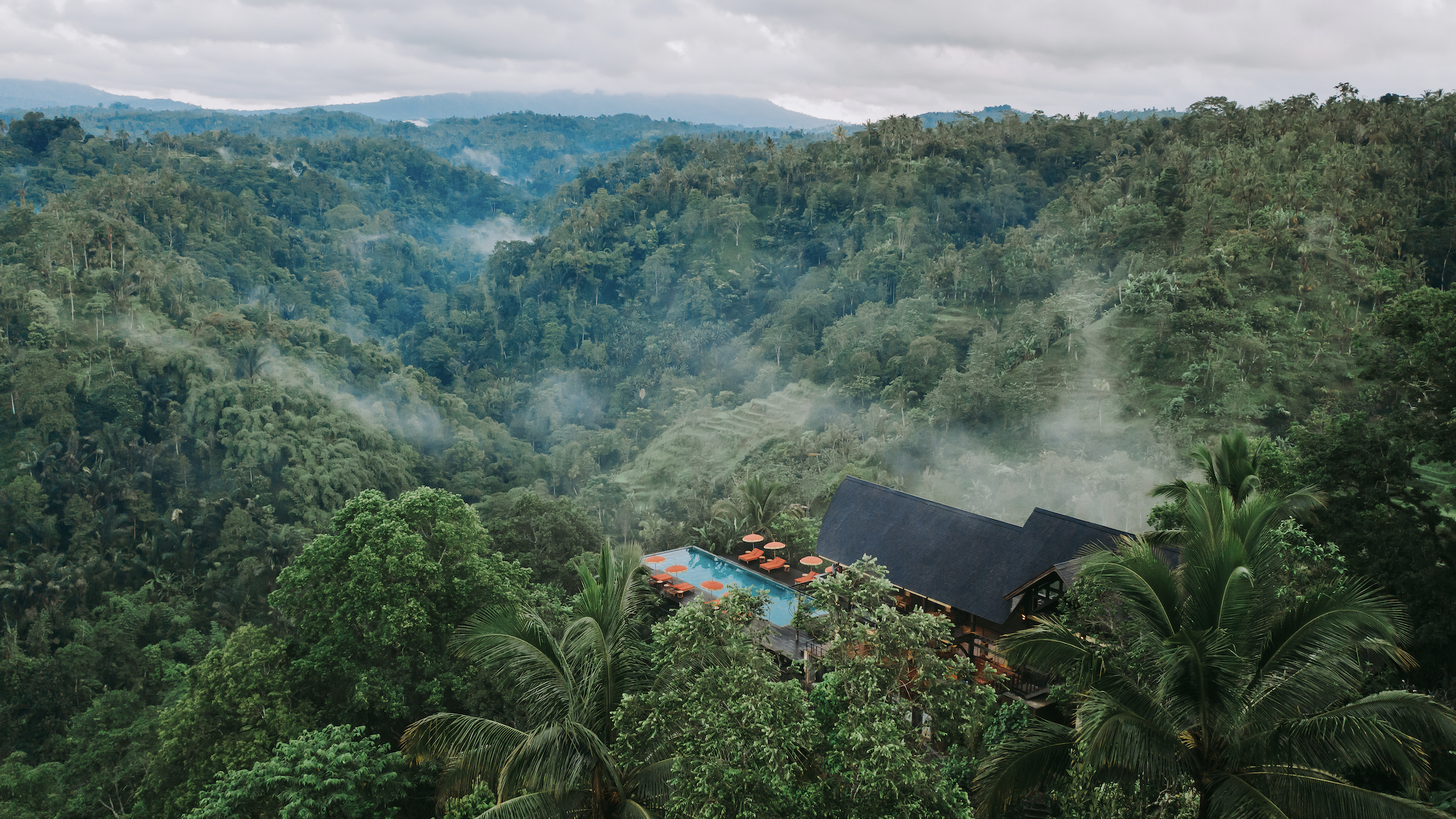
Hidden away in the jungles of Bali is Buahan, a Banyan Tree Escape, a peaceful paradise that incorporates nature, culture, and wellness into an unforgettable experience. Arriving at this oasis immediately transports you into the wild world of the jungle, from the chatter of birds in the trees to the feel of the humidity to the smell of fresh air, you are suddenly immersed in a unique environment.
Walking towards the bales, which have been carefully crafted using ancient Balinese techniques, you are welcomed into a tranquil, healing space and handed a glass of traditional Jamu – a drink steeped in the culture of the island, known for its anti-inflammatory, immune-boosting, and detoxifying properties. At Buahan, a Banyan Tree Escape, wellness – both physical and mental – is the priority for guests. Through traditional healing methods, and ancient spiritual lessons, this magical property goes back to its cultural roots to transform anyone who stays with them.
Wellness tourism is booming. By the end of 2026, the industry is expected to grow from 974.57 billion USD in 2025 to 1.06 trillion USD. The Global Wellness Institute predicts that the wellness economy will increase by 7.6% annually until 2029. With instability in the global community, and the general noise of mundane life, travelers are seeking trips that let them escape, relax, and heal. With the general population becoming more health conscious, guests are more likely to combine their travels with their desire to be healthy and well, returning from vacation relaxed and revitalized. Ultimately, TikTok reports that there is a 530% increase yearly for wellness video views.
But generic spa experiences aren’t enough. Finding hidden experiences that are rooted in local culture is a major priority, as authenticity, connection, and meaningful impact grow more important to tourists. This means that rather than seeking generic spa menus, consumers want to learn how each treatment, experience, or activity is connected to a property’s culture, they want to understand and build connections with local communities. This makes it essential for brands to think long and hard about what they are offering and why they are offering it. Crafting the story, building the connections, these aspects are just as important as having an impressive wellness program.
Why Wellness Tourism Is Having a Moment
Grand View Research released a forecast on wellness tourism’s market size, with it currently sitting around 990.4 billion USD and is projected to grow to 2.4 trillion USD by 2035. From the growing number of wellness experiences being offered by brands, to the increasing number of people interested in self-care, wellness, and health, this industry will only continue to grow as it offers people a means of escape, returning to reality feeling refreshed.
Four Reasons for the Wellness Boom
Aside from people becoming more health conscious, the Global Wellness Institute highlights four major factors driving the desire for wellness travel.
Growing Sickness & Loneliness
The first is the growing sickness and loneliness that people are facing. With more mental illness and with a tragic loss of community, the global population is becoming less happy and thus is looking for ways to combat mental health issues.
Worsening Environment
The second is the worsening environment due to factors such as pollution which affect our air, our food, and our everyday life.
Growing Burden on Health Systems
The third is that there is a growing burden on health systems which is increasing economic costs, forcing people to look beyond traditional methods of health for a more wellness-based approach that includes sickness prevention.
Changing Values of Consumers
The fourth is the changing values of consumers who are desiring health-focused, wellness lifestyles that foster connection, self-responsibility, and fitness.
While wellness is certainly growing, there has been a shift in what travelers expect from their trips. 85% of travelers are looking for cultural immersion, with experiences that allow them to explore local culture. This shift to a more cultural, authentic form of travel – rather than one that ticks all the tourism hotspots – means that the way guests perceive wellness has also changed, with experiences that put cultural immersion at the forefront being the most attractive.
Travelers are looking for wellness treatments that incorporate traditional techniques, ancient remedies, and spiritual teachings from the destination they are visiting. From the ingredients used in a hotel’s skincare brand being locally sourced, to the guide teaching meditation coming from the local village, these meaningful and authentic stories are critical to providing guests with the immersive experience they are looking for.
Bali is a leading destination for authentic wellness travel, having introduced countless sustainable wellness initiatives. The Balinese government has placed wellness tourism at the center of development strategies, TTW writes, with the island being deemed the “happiest holiday destination internationally” due to the immense number of wellness oriented experiences it has to offer.
The island is using wellness as a way of protecting its natural and cultural resources while promoting conservation, preservation, and uplifting its local communities. Most of the island’s wellness offerings are rooted in local customs and practices in order to preserve culture and history, as well as provide tourists with meaningful immersion into Bali’s rich heritage.
Bali’s Wellness Roots – More Than a Trend
Wellness tourism is central to Bali’s tourism initiatives, but this is more than just a way to keep up with travel trends. Wellness culture and experiences are deeply ingrained in Bali’s traditions and history, making it an authentic addition to what they have to offer tourists. Wellness is clearly embedded in daily life on the island.
Tri Hita Karana
At the core of Balinese philosophy is Tri Hita Karana, a belief that there are three ways of wellness. The first is Parahyangan which is harmony with the divine, the second is Pawongan which is harmony in community, and the third is Palemahan which is harmony with nature. In order to be truly well, you must be compassionate and community orientated, strive towards a harmonious relationship with God through rituals and traditions, and respect the environment while promoting conservation and sustainability. From architecture to gatherings to the running of daily life, the principles of Tri Hita Karana guide the citizens of Bali to wellness and prosperity.
At the heart of Balinese culture is community. People work, support, and celebrate with each other, and life on the island has a communal feel to it. This comes from Banjar which are essentially councils across the island that support and care for the community. These councils are run by the community, for the community and act as the first point of contact whether locals are looking for support or simply a place to gather. Decisions are made together, events are organized together, and people help each other as a community. Visitors can immerse themselves in the island’s vibrant communities, learning meaningful lessons in support, understanding, and togetherness.
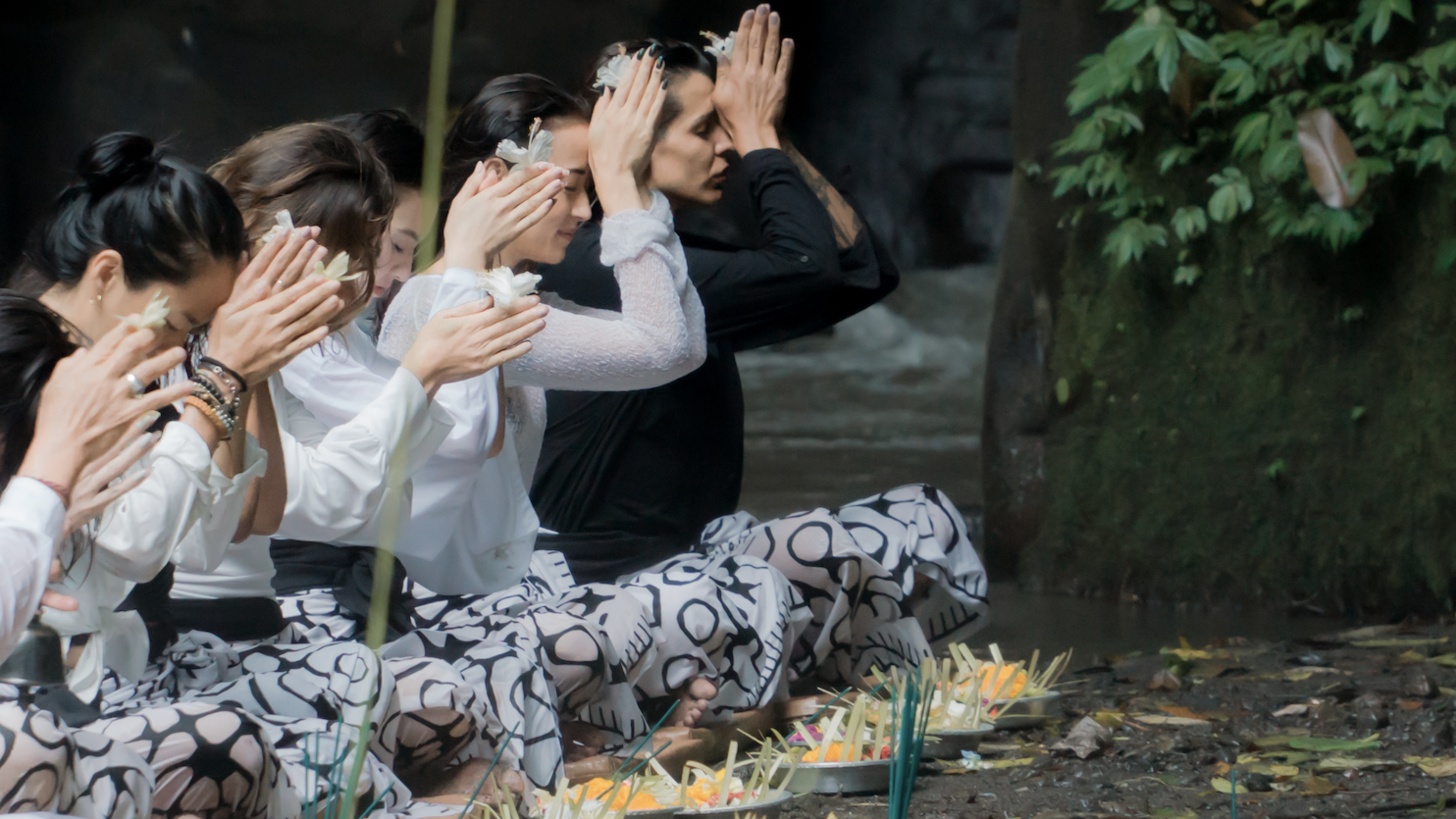
Balinese wellness isn’t only focused on the physical, but it also heals the soul. Spirituality is another important aspect to the island’s everyday life. With over 20,000 temples, each location plays an important role in the spiritual and communal lives of the island’s citizens. From the Pura Tirta which allow for cleansing rituals such as Melukat to those dedicated to family and gatherings, spirituality is central to local life.
Connections to both God and nature are also essential to a happy, prosperous, and harmonious life and partaking in these rituals can guide visitors to a more peaceful, healthy way of thinking. With important rituals such as sound healing and meditation or practices like yoga, strengthening spiritual connection is crucial. These spiritual opportunities not only immerse visitors in local culture, but they also provide a means of mental healing, removing stress and negativity. The belief that one’s physical health is influenced by mental health and emotional balance makes spirituality an essential component to a well-rounded life.

The natural world is an essential element to our physical health. From the food we eat to the medicine that heals us, nature is at the core of this. Fostering a bond with the natural world is essential to maintaining a healthy lifestyle as is respecting and giving back to this world. Food, therefore, is a cornerstone to Balinese spirituality, wellness, and community.
One of the most significant aspects to Balinese wellness is jamu, a traditional Balinese herbal tonic which is renowned for its healing properties. With anti-inflammatory, immune-boosting, and detoxifying aspects to the drink, jamu incorporates traditional methods with local ingredients.
The tonic was created more than 1,300 years ago as an herbal medicine that would be given to customers as a way to boost their health. First consumed by royals, local healers took the recipe and passed it down through generations. The word jamu comes from old Javanese for “prayer for health” and the drink itself is protected on the UNESCO Intangible Cultural Heritage List. Jamu is a clear indicator of how food, spirituality, nature, and culture impact healing and wellness.
Jamu Up Close – The Recipe and the Ritual
Drinking jamu is a way to prevent sickness and promote wellness, but it is also a way to connect deeply with Bali’s local culture and history. This ancient drink treats mind, body, and soul, and contributes to mental and physical wellbeing. Its key ingredients include turmeric which is known for its anti-inflammatory and antioxidant properties, ginger which is a natural remedy for nausea and indigestion, and tamarind which is an antioxidant packed with nutrition and minerals.
The beauty of jamu is that there is no set recipe for it, with many families having their own specific ingredients. The Indonesia Ministry of Health highlighted 15,773 different recipes, showing how widespread and unique the use of this superpower drink is. With so many variants, there are a range of local plants, seeds, flowers, and even bark that can be added to the drink.
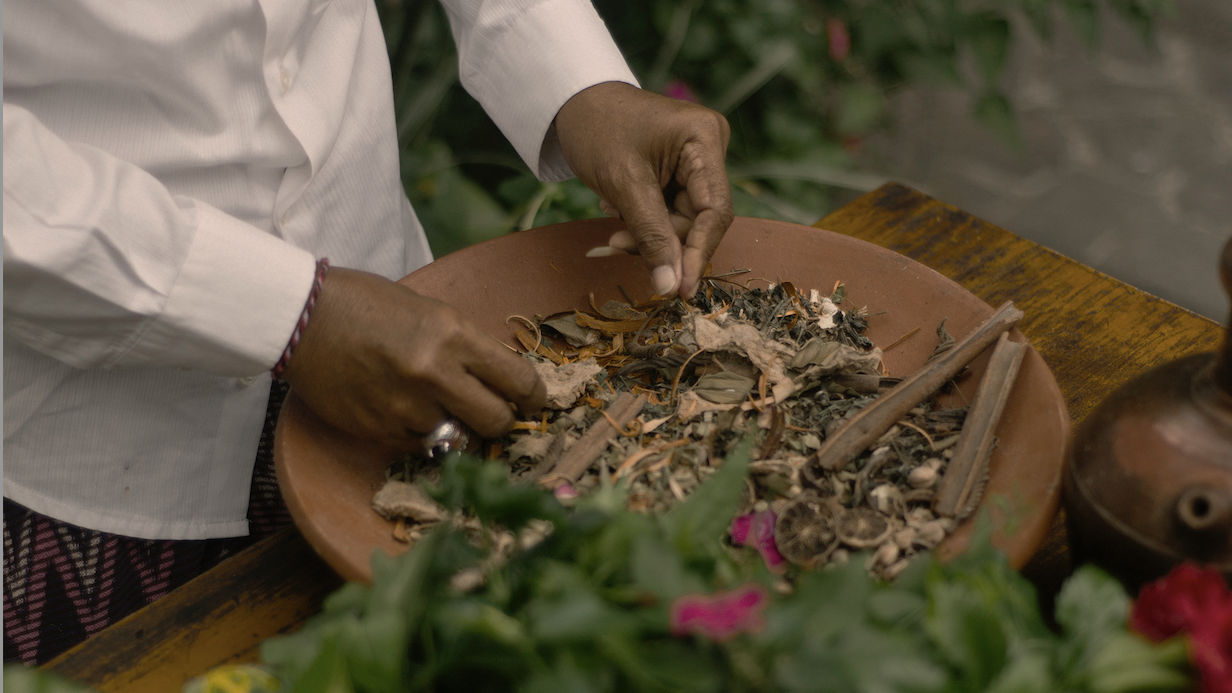
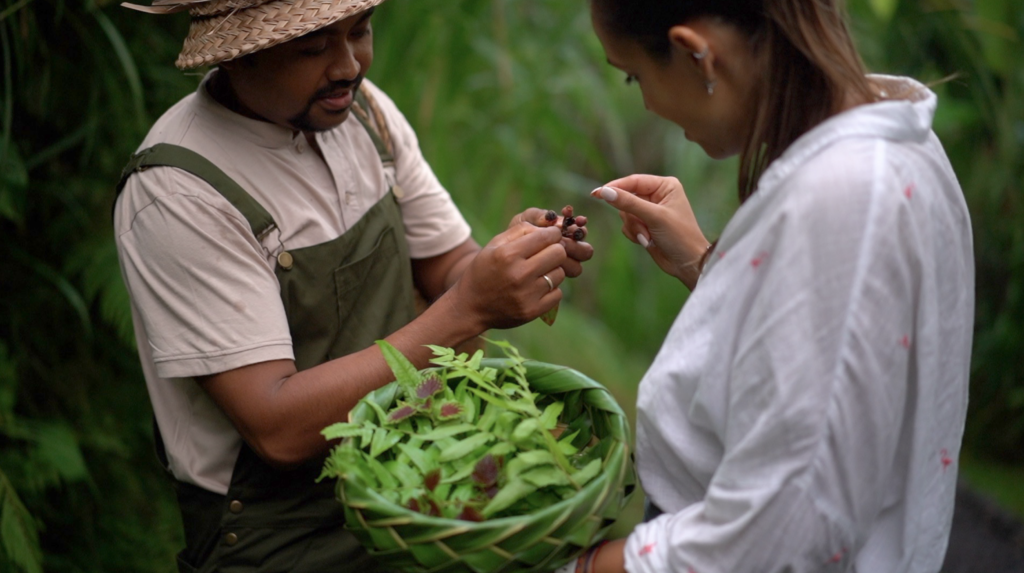
Buahan, a Banyan Tree Escape’s dedication to cultural immersion means that they too have their own jamu recipes created by the locals that work at the property using ingredients grown locally. With a large emphasis on wellness, Buahan, a Banyan Tree Escape combines tradition and culture to provide guests with a taste into Bali’s miracle drink.
Guests are even asked to participate in the ritual, with expert locals guiding them through the creation of jamu while they can learn about its cultural relevance and importance for wellness. Jamu is not merely a drink, but it is a way for the people of Bali to connect with each other and with nature.
“Each ingredient is deeply connected to the local landscape, reflecting generations of knowledge around natural healing,” says Beby Benazir from Buahan, a Banyan Tree Escape. “Rather than focusing on supplements or enhancements, the emphasis is on simplicity, intention, and sensorial experience, allowing wellness to feel intuitive, cultural, and deeply rooted in nature.”
From the ritual of making the drink, to the ingredients used, jamu nurtures both a physical health and a bond with the natural world that drives interconnectedness and community.
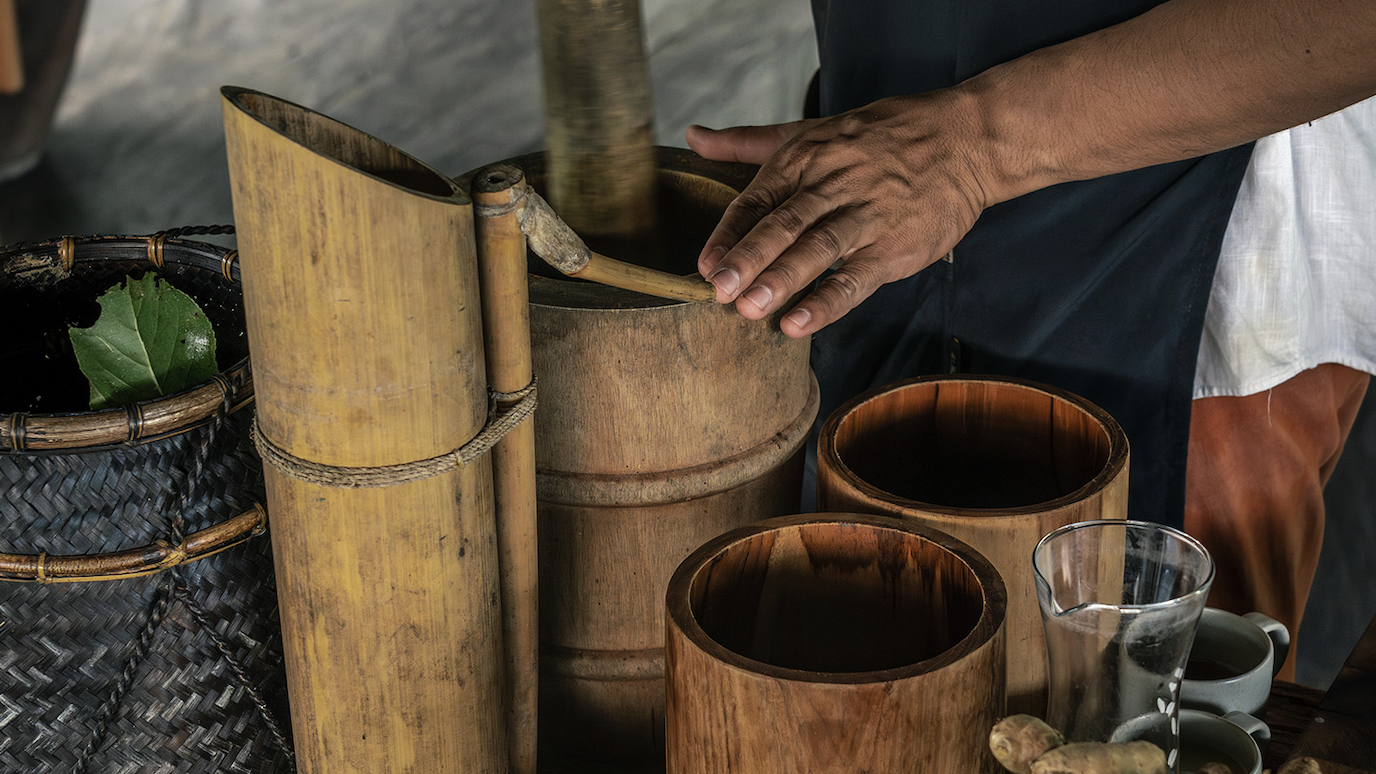
How Buahan, a Banyan Tree Escape Embeds Culture Into Every Stay
Buahan, a Banyan Tree Escape is an important example of how a hotel can meaningfully and authentically incorporate its roots into its concept. The property’s ethos is to inspire guests to connect and be immersed in local nature and culture, fostering a bond that will lead to physical and mental wellness. Everything within the property was created with purpose, and to facilitate meaningful and authentic experiences for its guests.
Buahan, a Banyan Tree Escape itself was designed to feel like a village, not just a resort. With its no doors, no walls concept, the property encourages guests to feel like they are living as a part of nature. Crafted around environmental, social, and economic sustainability, before it was even built, a four month project was done to survey the land, the culture, and the natural world.
Created using sustainable materials and local design, the property celebrates its Balinese roots at every turn, while ensuring it blends seamlessly into the landscape. Connection with nature is an essential element to Balinese wellness, and through its design, Buahan, a Banyan Tree Escape inspires guests to experience this bond.
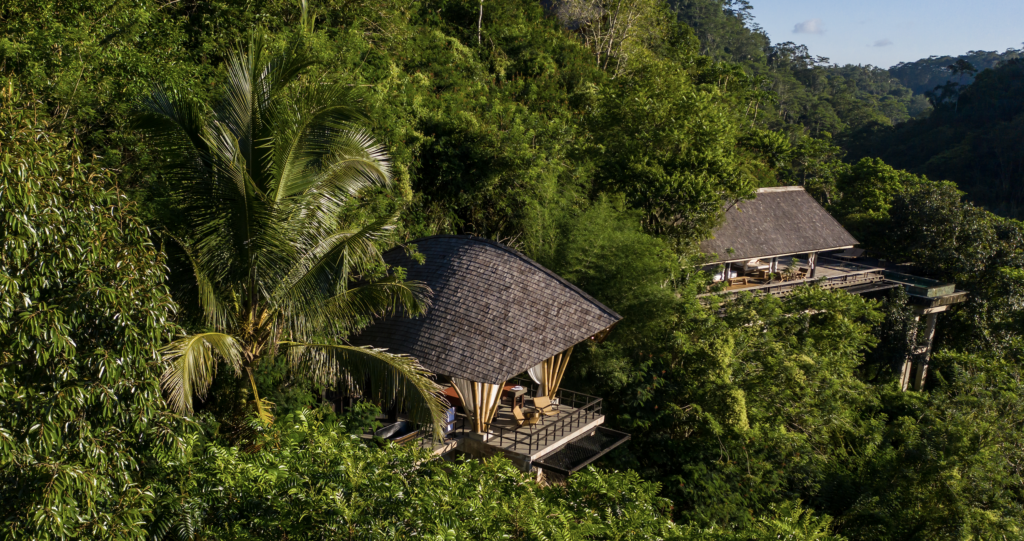
The property holds community close to its heart, allowing guests to live as if they were a part of one. At the heart of the hotel is the living room which uses traditional Indonesian gathering spaces as inspiration to its design and detail. Fostering community and allowing guests to establish a connection between themselves is a significant part of the experience.
Not only can guests connect with each other, but Buahan, a Banyan Tree Escape facilitates many opportunities for guests to explore the local communities by partaking in festivals and events. Guests can be guided through sacred heritage sites, local houses, and other significant spots in order to acquaint themselves with the communities and culture of Bali. Just like in Balinese culture, Buahan, a Banyan Tree Escape places community first.
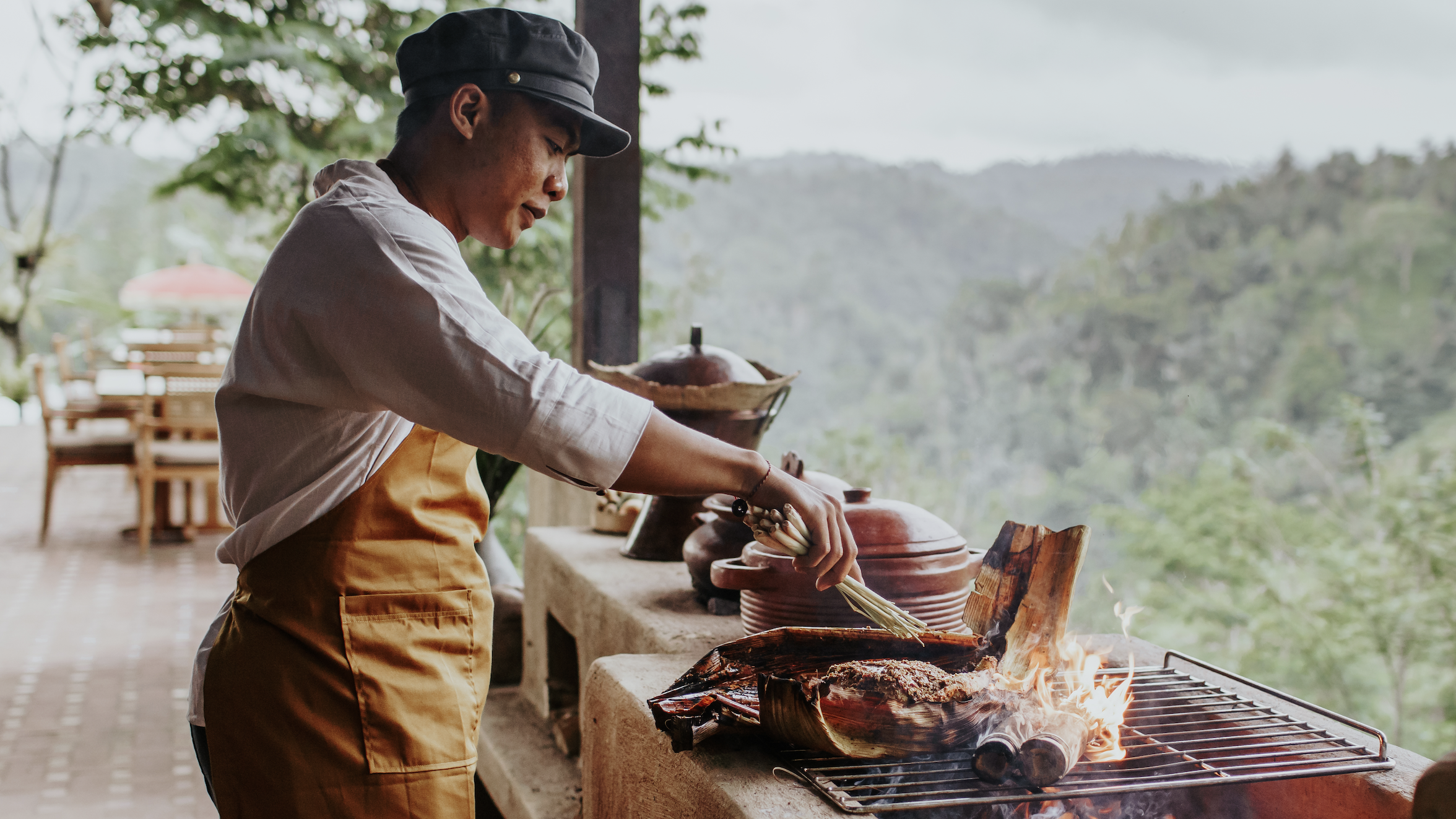
Cultural connection continues in Buahan, a Banyan Tree Escape’s kitchen and philosophy around food. Guests are encouraged to learn about traditional recipes while gaining first hand experience of Bali’s ancient methods of cooking by trying it themselves. Using locally sourced ingredients, including plants grown on their own farm, Buahan, a Banyan Tree Escape ensures that culture can be tasted with every bite.
The design of the kitchen is another way that Buahan, a Banyan Tree Escape fosters community, with an open structure that allows guests to interact both with each other and with the staff. This allows guests to experience the authentic purpose for an Indonesian bale – community gatherings.
Jamu isn’t the only traditional wellness method guests can enjoy in Buahan, a Banyan Tree Escape’s Toja Spa. Using locally sourced ingredients to handmake all products, each treatment focuses on connecting guests with nature, helping them live the Tri Hita Karana beliefs. The techniques employed by staff have been passed down from generations, and are deeply rooted in the local culture, with each wellness practice incorporating traditional methods such as massage for the body or chakra healing for the soul.
Guests are also welcome to learn more about these practices, even discovering Loloh which is traditional Balinese medicine. Local experts are also available to guide guests through wellness journeys where they rediscover themselves using spiritual techniques and pray alongside priests. Following Bali’s rich wellness traditions, Buahan, a Banyan Tree Escape employs methods that nourish their guests’ bodies, minds, and souls.
Buahan, a Banyan Tree Escape doesn’t shy away from its Balinese roots, instead, it embraces them in every aspect of its property and its philosophy. From its design, to its cuisine, to its experiences, Balinese culture is at the core of everything this property has to offer. Each part of the hotel has meaning and authenticity attached to it, it tells a story of rich tradition and ancient history that inspires its guests.
All of this comes together to create an unforgettable wellness trip that should act as an example for all hotels. Guests want meaning, authenticity, and connection and only by fully incorporating the traditions and cultures of the local area, can hotels truly provide this.
Stories Rooted in Culture, Connection, and Authenticity…
The meaning of wellness tourism is changing. Wellness isn’t about how many amenities you have or how long your spa menu is, it is about how well your property can capture local culture, knowledge, and traditions. Guests can find a generic massage anywhere, but what they cannot find is what makes your location so unique.
Wellness must be rooted in culture, it must foster connection, and it must treat all elements of a person by acknowledging local custom. If hotels want to truly shine in the growing wellness market, they must look to their roots to establish something meaningful, authentic, and special – especially in today’s world where customers crave connection and inspiration.
Tourism is about telling stories, and brands have a responsibility to tell these stories genuinely and purposefully. Interested in communicating what makes your property special? Don’t hesitate to reach out to us!